Removals near Streatham Common insider tips for smooth moves

If you are planning a move around Streatham Common, you already know the tricky bit is rarely the lifting. It is the timing, the access, the packing that always seems to multiply overnight, and the tiny local details that can turn a tidy plan into a stressful day. This guide to Removals near Streatham Common insider tips for smooth moves is built to help you avoid that familiar last-minute scramble and make the whole process feel calmer, quicker, and a lot more manageable.
Whether you are moving from a flat, a family house, or a small business space, the right approach can save time, money, and quite a few headaches. You will find practical advice here on planning, local logistics, packing, storage, and the little decisions that make a big difference on moving day. Let's get into the stuff that actually helps.
Why Removals near Streatham Common insider tips for smooth moves Matters
A move near Streatham Common can look straightforward on paper, but the reality is often more nuanced. Local roads, parking, shared entrances, stairs, and narrow hallways all affect how smoothly the day runs. If you get the logistics right early, the rest becomes far less dramatic. If you do not, even a small move can drag on for hours. And nobody wants to be standing in the hallway at 4:30pm wondering where the kettle box has gone.
Good removals advice matters because moving is really three jobs at once: organising your belongings, coordinating people and vehicles, and protecting your time and property. Near Streatham Common, that often means thinking about access routes, loading space, and whether you need a service such as local removals, a man and van, or a more full-service removals service. The best choice depends on your home, your volume of items, and how hands-on you want to be.
There is also a trust element. Moving day involves your furniture, paperwork, keys, valuables, and often your emotional energy too. A careful plan lowers the risk of damage, missed timings, and that awful feeling of being rushed. Truth be told, most moving stress comes from poor preparation rather than the move itself.
How Removals near Streatham Common insider tips for smooth moves Works
The moving process usually follows a fairly predictable pattern, though the details vary depending on whether you are moving a single room, a flat, or an entire house. A smooth move starts before the van arrives. First comes assessment: what needs moving, what needs packing, and what can be sold, donated, recycled, or stored. Then comes planning: scheduling, route checking, parking, and box labelling. Only after that does the physical lifting begin.
For many people, the simplest route is to book a removals company that understands local conditions and can help scale the job properly. If your move is smaller, or you are only shifting a few bulky pieces, a flexible option like small removals may be more suitable. For flats, tight stairwells, or homes with limited access, flat removals can be especially useful because the service is better matched to the realities of apartment moves.
A solid moving day usually looks like this:
- Final confirmation of timing, access, and addresses.
- Rooms packed and clearly labelled.
- Furniture protected with wraps or covers.
- Load order planned so the essentials come off first.
- Transport completed, then unpacking in stages.
That may sound simple, but the devil really is in the sequence. If you pack random bits together or load the van without a plan, unpacking becomes a scavenger hunt. And nobody enjoys hunting for bedding after a long day.
Key Benefits and Practical Advantages
There are some very real benefits to approaching a Streatham Common move with a proper strategy rather than just hoping for the best.
- Less stress: a clear plan keeps the day from becoming a blur of boxes and phone calls.
- Better protection: properly wrapped furniture and labelled cartons reduce breakages and scratches.
- Faster unloading: smart room-by-room labelling means items land where they belong.
- Lower risk of delays: planning access and parking avoids awkward waiting around.
- More control over costs: fewer surprises usually means fewer extra hours or unnecessary add-ons.
There is also a practical advantage that people often overlook: using storage intelligently. If your completion date and move-in date do not line up neatly, or you want to stage the move, removals and storage can help you split the job into manageable parts. Likewise, if you are clearing clutter before the move, self storage or short-term storage can give you breathing room.
That breathing room matters. A move without clutter is a different beast entirely. Fewer items, fewer decisions, fewer things to misplace. Simple, but very effective.
Who This Is For and When It Makes Sense
This advice is useful for a broad mix of people, not just homeowners with a van booked for Saturday morning. If you live near Streatham Common, the most likely scenarios include:
- Families moving house and trying to keep school routines intact.
- Flat dwellers dealing with stairs, lifts, and limited street access.
- Students who need a quick, affordable move between terms or lets.
- Small business owners relocating stock or documents.
- People downsizing and needing time to sort what stays and what goes.
- Anyone with fragile, bulky, or awkward furniture.
If your move is temporary or your timing is uncertain, pairing removals with household storage or secure storage can make life much simpler. For students, student storage is often the least stressful way to bridge a gap between tenancies, term dates, or travel plans.
It also makes sense for people who do not want to do everything themselves. Let's face it, not everyone wants to spend their weekend wrestling a wardrobe through a doorway. If that sounds familiar, getting the right support is sensible, not lazy.
Step-by-Step Guidance
If you want a smoother moving day, follow this sequence. It sounds basic, but the order matters.
1. Start with a realistic inventory
Write down what is actually moving. Be honest. The one-box-that-became-four-boxes phenomenon is very real. Note large furniture, fragile items, electronics, and anything awkward to carry. If you are moving from an office or mixed-use space, include file boxes and office equipment, and consider whether office removals or business storage might help.
2. Decide what stays out of the van
Separate essentials, valuables, and items you want to carry yourself. Important documents, medication, chargers, keys, and a basic kettle box should travel with you where possible. A move day is not the time to have your life scattered in six random crates.
3. Book the right type of help
If you are only moving a few things, a man and van may be enough. If you are moving a full property, a more complete house removals service is likely better. For a mixed approach, combine removals with packing services so the job is properly wrapped and loaded.
4. Prepare access and parking early
Check where the van can safely stop, whether there are restrictions, and how far the lift is from the front door. Around Streatham Common, even small access issues can add time. Time adds cost. It also adds grumpiness, which is somehow harder to budget for.
5. Pack by room, then by priority
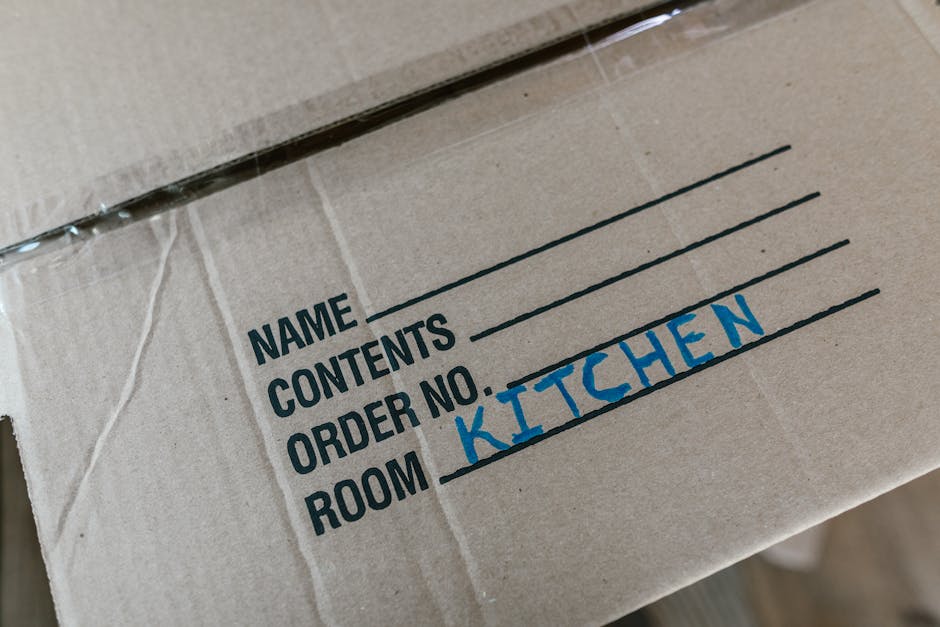
Label each box with the room and a simple priority note such as "open first" or "fragile". Put similar items together. Kitchen with kitchen. Bedroom with bedroom. The system does not need to be fancy; it just needs to be consistent.
6. Protect furniture properly
Wrap corners, tape loose parts, remove shelves where practical, and keep screws in labelled bags. If you have large or valuable furniture pieces, you may want to review furniture storage as a temporary holding option if space at the new place is tight.
7. Load in a sensible order
Heavy, stable items go in first. Fragile and urgent items should be easiest to reach. That way, unpacking does not become a workout in frustration.
8. Unpack in phases
Start with the essentials, then bedrooms, then kitchen, then everything else. No one ever looks back and says, "I wish we had opened all the decorative candles first."
Expert Tips for Better Results
Here are the insider details that often make the difference between a move that feels controlled and one that feels chaotic.
- Keep one "move day bag": it should hold phone chargers, snacks, wipes, toilet roll, bin bags, and any immediate essentials.
- Photograph cable setups: a quick phone photo before unplugging the TV or router saves time later.
- Use colour or number coding: it is easier than explaining every box by hand.
- Do a final fridge and freezer check: people forget this more often than they think. The smell, unfortunately, reminds them later.
- Stage items near the exit the night before: if safe to do so, this reduces the early morning shuffle.
- Ask about building access in advance: some flats or managed properties need lift bookings or entry coordination.
One practical trick we like is to set aside a small box for the first evening. Put in mugs, tea, snacks, basic cleaning supplies, a torch, a phone charger, and bedding. It sounds tiny, but when you are tired and surrounded by unpacked boxes, it feels like a proper win.
If your move is part of a bigger transition, such as refurbishing before settling in, it can help to use mobile self storage so items are collected and held without you having to shuttle everything yourself. That is especially handy when you are juggling builders, decorators, or delayed keys.
Common Mistakes to Avoid
Most moving mistakes are avoidable. Not all of them, mind you, but most.
- Leaving packing until the last 24 hours: that is how mixed-up boxes happen.
- Underestimating volume: most homes contain more than they look like they do.
- Ignoring access problems: a narrow stairwell can slow everything down.
- Not labelling boxes clearly: "misc" is not a useful room label, even if it feels emotionally accurate.
- Forgetting insurance and item protection: check what is covered and what is not.
- Trying to move everything at once: sometimes a staged approach is simply smarter.
Another common slip is failing to sort out surplus items before the move. If you are decluttering, it can help to set aside things for recycle, sell, donate, or store. For anything you want to keep but not bring immediately, long-term storage is a practical fallback. Not glamorous, but practical.
And yes, people do sometimes forget to measure doorways. Then the sofa arrives and everyone stands there pretending the angle will somehow change. It won't.
Tools, Resources and Recommendations
You do not need a mountain of specialist equipment, but a few tools make the process much easier:
- Strong cardboard boxes in several sizes.
- Packing tape and tape dispenser.
- Bubble wrap or protective paper for fragile items.
- Furniture blankets or covers.
- Permanent markers for labels.
- Zip bags for screws, plugs, and fittings.
- Gloves with grip for lifting awkward items.
- A trolley or sack truck for heavy boxes, where suitable.
In practical terms, the most useful resource is usually a moving partner who can scale the job to what you need. If you want a streamlined service with fewer moving-day surprises, look at removals and storage for flexible timing, or local removals if your move is staying close to Streatham Common and you want a straightforward local job.
For business moves, the right support looks a bit different. Office storage can be useful if desks, files, or equipment need to be held between locations, while document storage is a sensible option when paperwork needs to be kept secure and out of the way.
Law, Compliance, Standards, or Best Practice
For most household moves, the key compliance concerns are straightforward: make sure access is safe, items are loaded responsibly, and any service you use explains its terms clearly. If you are dealing with removals in a shared building or commercial setting, best practice usually means checking building rules, lift use, parking arrangements, and any access permissions before move day.
It is also sensible to ask about liability and protection for your belongings. A reputable provider should be clear about what is covered, what conditions apply, and what you should do if something is damaged or lost. You can review practical information on insurance and safety, along with the company's health and safety policy and terms and conditions.
If your move involves storing goods, especially valuable or sensitive items, it is worth checking the level of security offered and how belongings are handled. For those concerns, secure storage is a relevant option, and it can help reassure you when there is a gap between leaving one property and entering another.
Best practice, in plain English, is simple: communicate clearly, confirm details in writing where possible, and do not leave anything important to guesswork.
Options, Methods, or Comparison Table
There is no single best moving method for everyone. The right choice depends on volume, access, timescale, and how much you want to handle yourself. Here is a simple comparison to help you think it through.
| Option | Best for | Strengths | Watch out for |
|---|---|---|---|
| Man and van | Small to medium local moves | Flexible, often efficient, good for a lighter load | May not suit very large or complex moves |
| Full removals service | Households, bigger loads, fragile items | More support, better for stairs and bulky furniture | Usually more involved to arrange |
| Removals and storage | Moves with timing gaps or decluttering needs | More control over staging and dates | Requires planning around access and storage duration |
| Self storage only | People who want to pack and move in stages | Flexible and useful for sorting possessions | You still need to move items yourself or arrange transport |
For students or people with lighter loads, small removals can be a tidy middle ground. For those who need everything handled in one go, a more complete house removals solution is often worth it. The best method is the one that fits your reality, not the one that sounds impressive in theory.
Case Study or Real-World Example
Imagine a couple moving from a second-floor flat near Streatham Common into a nearby terraced house. Their completion date slips by three days, which is annoying but not unusual. They do not want to pay for the van to sit around, and they do not want boxes stacked everywhere in the living room. So they split the move into two parts.
First, they use short-term storage for non-essentials and furniture they know will not fit immediately. Then they pack a first-night box, organise the remaining essentials, and book a local moving team for the main load. The bedroom furniture goes last because the new house needs some work before it is ready. A bit awkward, but manageable.
The result is a calmer handover. There is no rush to unpack everything on day one. No frantic "where is the toaster?" moment. And because the move is staged, they have room to clean, measure, and settle in properly. That kind of breathing space is often the real secret to a smooth move.
For a small business, the same principle applies. A local office team may use office removals for desks and equipment, then keep archive material in document storage until the new workspace is ready. Less disruption. Fewer lost items. A lot less chaos around the coffee machine.
Practical Checklist
Use this checklist in the final week before moving day.
- Confirm moving date, time, and access details.
- Measure entrances, stairs, and lifts if needed.
- Book parking or loading arrangements where relevant.
- Sort items into keep, store, donate, recycle, and discard.
- Pack an essentials box for the first night.
- Label every box clearly by room and priority.
- Protect furniture edges, glass, and delicate surfaces.
- Keep keys, documents, and medication with you.
- Set aside batteries, chargers, and important cables.
- Check whether you need removals and storage or another flexible option.
Quick expert summary: the smoothest moves are rarely the fastest; they are the best organised. If you plan the access, pack properly, and choose the right type of help, the day usually feels much lighter than expected.
Conclusion
A move near Streatham Common does not have to feel chaotic. With the right plan, a little local awareness, and a sensible choice of service, you can turn a stressful day into something orderly and surprisingly efficient. The main thing is to make decisions early, not while standing in a hallway surrounded by half-sealed boxes.
Think in stages, protect your essentials, and use storage or removals support where it genuinely helps. That is the heart of Removals near Streatham Common insider tips for smooth moves: less guesswork, more control, and a calmer start in your new place. And once the last box is in, there is nothing quite like that first proper cup of tea.
Get a free quote today and see how much you can save.
Frequently Asked Questions
What is the best way to organise removals near Streatham Common?
Start with an inventory, confirm access and parking, label boxes by room, and decide early whether you need storage or packing support. The more you organise before the van arrives, the easier the day feels.
Should I choose a man and van or a full removals service?
If you are moving a small load locally, a man and van can be enough. For larger properties, heavy furniture, or difficult access, a full removals service is usually the better fit.
How far in advance should I book a move?
As early as you can, especially if your moving date is fixed or you need a specific time slot. Early booking also gives you more time to sort packing, storage, and access issues.
Is storage useful during a house move?
Yes, very often. Storage helps if there is a gap between properties, if you are downsizing, or if you want to move in stages without cluttering the new place.
What should go in my first-night box?
Pack bedding, toiletries, a charger, snacks, kettle essentials, a few utensils, basic cleaning items, medication, and any documents you need straight away. It saves a lot of rummaging later.
How do I avoid damage during removals?
Use strong packing materials, wrap furniture properly, secure loose parts, and avoid overfilling boxes. Clear labelling also helps keep fragile items handled carefully.
Do I need packing services?
Not always, but they can be a big help if you are short on time, have valuable items, or just want the job done more consistently. They are especially useful for busy households and offices.
What is the difference between short-term and long-term storage?
Short-term storage is generally for temporary gaps between moves or renovations. Long-term storage suits items you do not need for a while but still want to keep safely.
Can removals help with flat moves near Streatham Common?
Yes. Flat removals are often a smart option for apartment moves because they take stairwells, lifts, and building access into account. That can make the whole process much smoother.
What should I check before moving day in a shared building?
Check lift access, entry codes, loading restrictions, and any building rules about moving times. These small details can prevent delays and awkward phone calls on the day.
What if I only have a few items to move?
If it is a light move, small removals may be all you need. It is usually more practical than booking a larger vehicle and paying for space you will not use.
How do I decide whether to use removals and storage together?
Use both when your dates do not line up neatly, when you are decluttering, or when you want to stage a move in manageable parts. It is often the calmest way to handle a complicated transition.